Blog
Articles about passwords, security, and why almost everything we were taught was wrong.

The Password Game, and the rules that protect nothing
In 2023, Neal Agarwal published a game that asks you for a password and then asks that its digits add up to 25, that it contain the best chess move, and that you feed a chicken living inside it. It is hilarious, and it is hilarious because the first four rules are not made up: they are the ones you have been obeying for twenty years.

Your router has two passwords, and the factory one isn't good enough
There are two passwords on your router and almost nobody knows it: the Wi-Fi one you dictate to half your family, and the admin one that is probably still whatever came printed on the sticker. Here's the difference, why the Wi-Fi key is the rare case where length is free, and what to do in twenty minutes.
Password ideas: why the ones you come up with don't work
Searching for password ideas makes perfect sense: the form is right there and you have to invent something. The trouble is that the word ideas is already the mistake, because your list of bright thoughts and the list an attacker runs first are the same list. Here is each one, measured in the checker.
How often should you change your password? Only when there's a reason
The most-searched password question in the world has an uncomfortable answer: you don't need to change it every three months, or every six, or on any schedule at all. You change it when there's a reason. Here is the list of reasons that actually count, what order to act in when one shows up, and what to do the other three hundred and sixty days of the year.
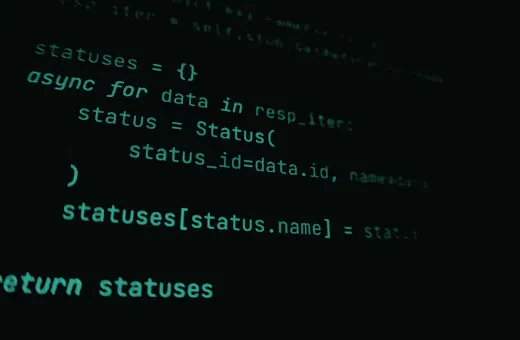
The password.es API is live: how to use it
This site has spent months saying your password should never leave your browser, and it now ships an API that generates them on a server. The contradiction is real and we are not hiding it: here is how to use it, what it returns, what it does not do yet, and when you should not call it.
What was wrong with password.es, and no longer is
A site that spends its days saying how things ought to be done owes you an account of when it wasn’t doing them. The checker froze the tab while you typed, the search description was cut off mid-sentence in fifteen languages, and the draw had a tiny bias. Here is what we fixed, with the numbers.